Maine Sea Grant Newsletter |
|
|
|
Harvest Season at Maine Sea Grant |
|
|
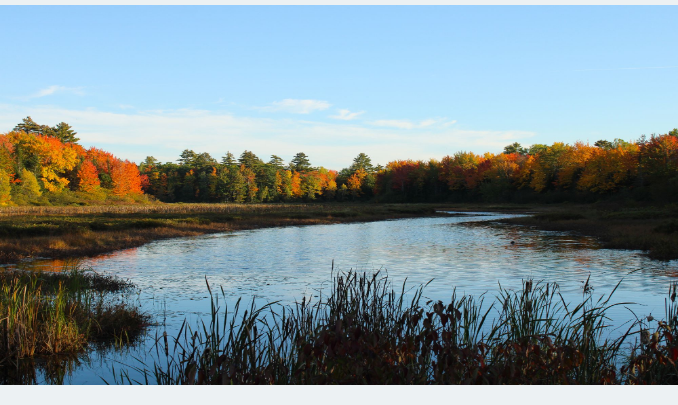
From shellfish harvests and fall festivals to getting your firewood in, fall is a busy time in Maine. It’s no different here at Sea Grant. Between preparing for the upcoming Biennial Research Symposium and pulling together the first-ever Maine Working Waterfront Conference, our work is ramping up!
We hope you’ll join us for a season full of fruitful conversations and supportive partnerships. Keep reading to learn more and find opportunities to get involved.
This Giving Season, Support Maine Sea Grant. - Send our newsletter to folks who care about Maine’s coastal communities.
- Make a tax-deductible gift to support school field trips, scholarships, fellowships, critical research projects, and hands-on learning opportunities for students and adults.
|
|
Biennial Research Symposium |
|
| Maine Sea Grant is excited to host our Biennial Research Symposium Thursday, November 5 from 1:00-5:00 PM at the Wells Conference Center, University of Maine, Orono. Join us to learn more about Maine Sea Grant-funded research, including recently completed and newly supported projects by investigators throughout the state.
Enjoy presentations, panel discussions, a poster session, and delicious local seafood. You’ll also have plenty of time to connect with researchers, students, industry leaders, and community members. Registration is free! |
|
|
|
|
Maine Working Waterfront Conference |
|
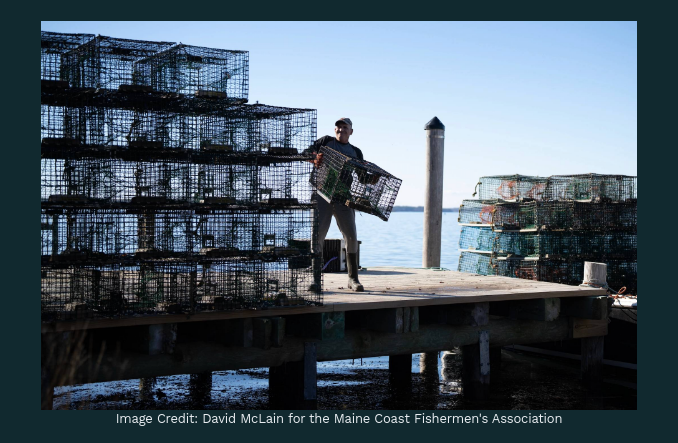
| Maine’s working waterfronts are central to our economy, culture, and identity. While our state is a national leader in protecting and innovating its waterfronts, the challenges facing our coastlines are intensifying. Storms, sea level rise, development pressures, and infrastructure needs require coordinated, forward-thinking solutions.
The first-of-its-kind Maine Working Waterfront Conference, held November 12-13 in Bar Harbor, will set the stage for in-depth dialogue and shared learning to support our maritime heritage, now and into the future. Attendees will include fishermen, sea farmers, wharf owners, municipal officials, decision-makers, industry representatives, researchers, engineers, nonprofit leaders, students, and others from across the state.
While the conference is full, keynote and plenary sessions will be livestreamed. Sign up for the waitlist to receive streaming information ahead of the event. |
|
|
|
|
Congratulations to our 2026-2028 Biennial Research Awardees |
|
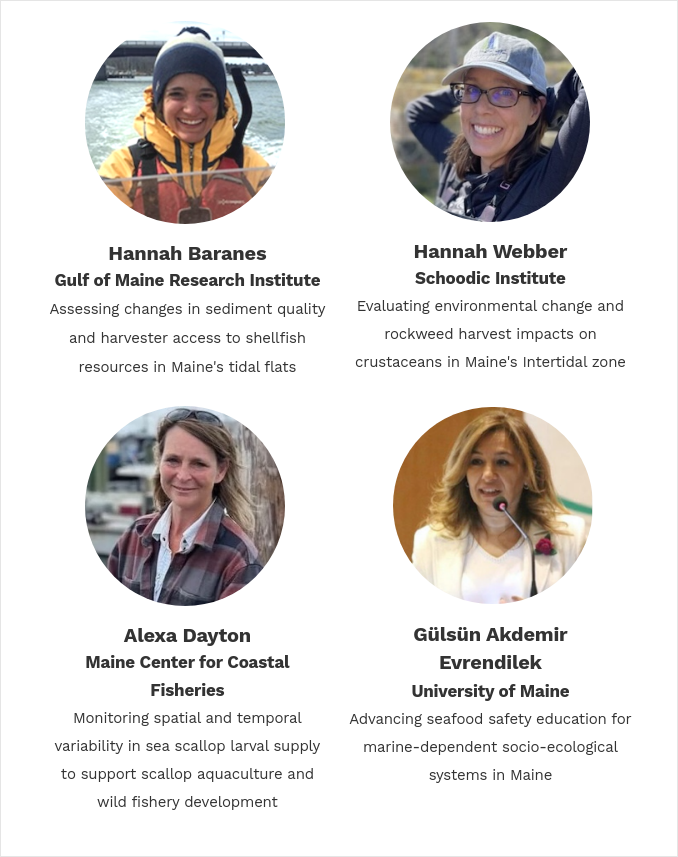
Maine Sea Grant is pleased to announce four new research projects funded through our competitive biennial research program. Led by scientists from research and education institutions throughout the state, these two-year projects will study scallops, rockweed, seafood safety, and Maine’s tidal flats. Learn more about these projects at our upcoming Biennial Research Symposium Thursday, November 5 at the Wells Conference Center, University of Maine, Orono. |
|
Extension and Community Engagement |
|
Beach Profile Monitoring Volunteer Celebration |
|
The Southern Maine Beach Profile Monitoring Program recently completed 27 years of data collection. Our staff traveled to Wells to celebrate. It all started in 1999, when Maine Sea Grant funded a UMaine research team to track changes in beach profiles and erosion rates. When our former extension associate Kristen Grant established a volunteer effort to continue the work, local community members made the project their own.
Nearly three decades later, volunteers’ findings have informed dozens of management decisions to protect Maine’s beaches. Their efforts will continue under the leadership of the Maine Geological Survey. If you’re looking for an engaging task to keep you active during the winter months, consider volunteering! |
|
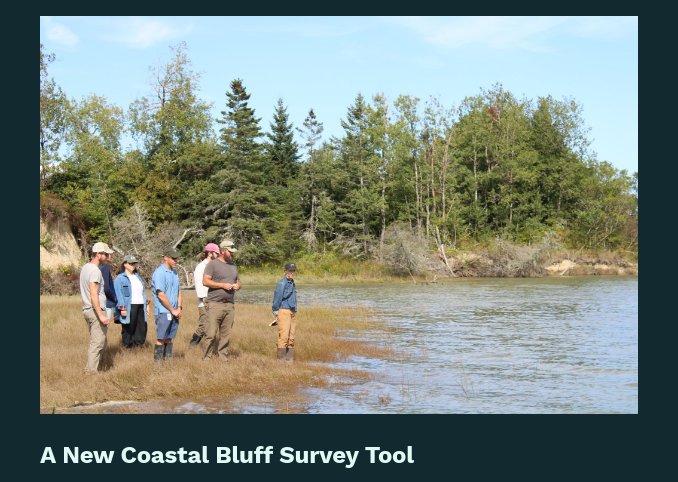
Coastal bluffs can erode quickly during storms, and it can be hard to know when to intervene and when to allow them to restabilize naturally over time. Monitoring bluffs regularly helps inform those decisions.
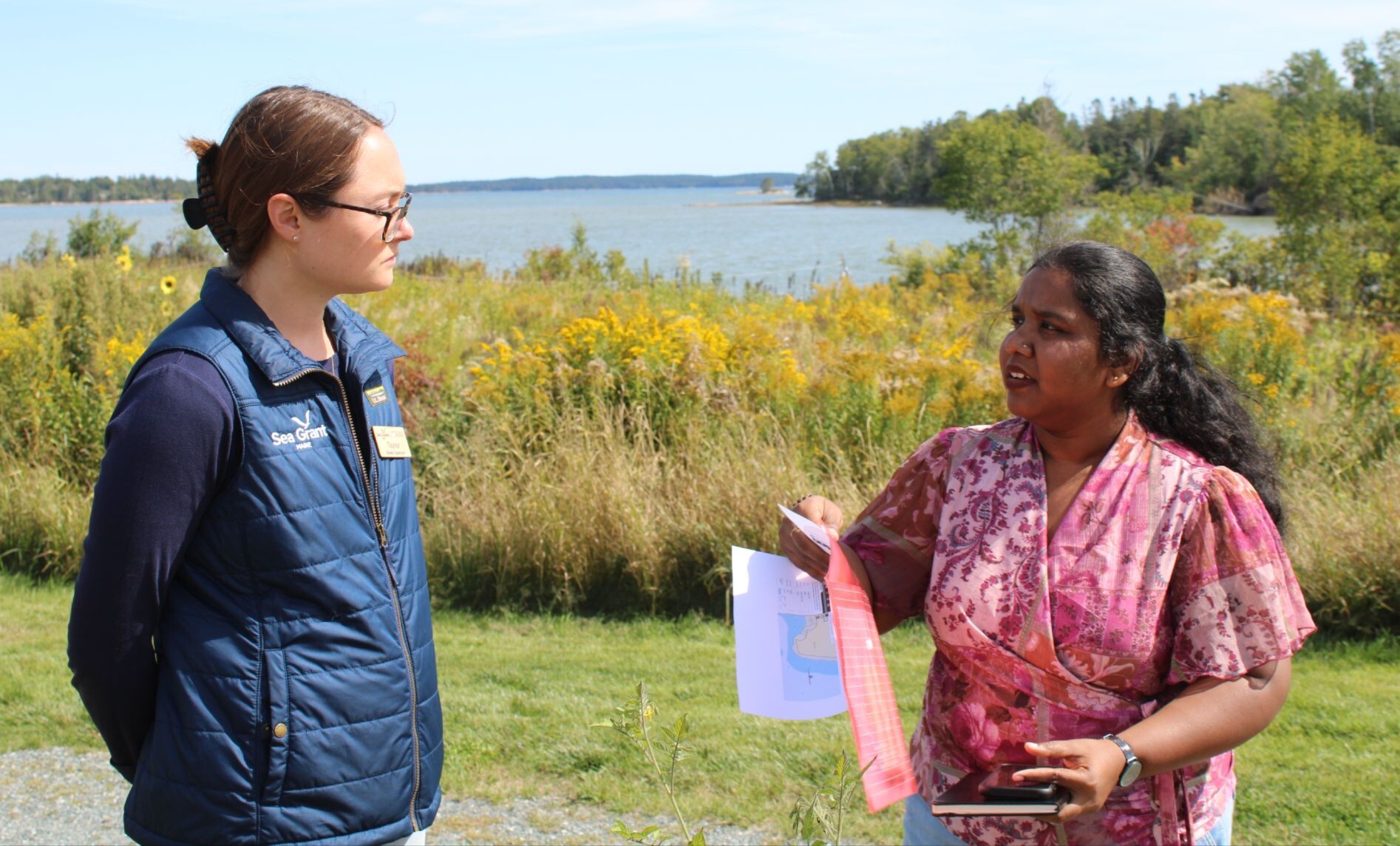
That’s exactly what the Coastal Bluff Survey Tool is built to accomplish. Part of the Resilient Maine Project, the tool helps property owners and community members observe bluffs along their shorelines before a storm. It was developed by the Maine Geological Survey (MGS) with support from Maine Sea Grant’s Coastal Processes Specialist, Taylor Spencer, and the Maine Department of Inland Fisheries and Wildlife.
Each survey also informs MGS’s Coastal Bluff Mapping work. To learn how to use the tool, contact the Maine Geological Survey (mgs@maine.gov) with questions. |
|
Education and Workforce Development |
|
|
|
|
|
|
Bringing the Sea Inland to Local Schools |
|
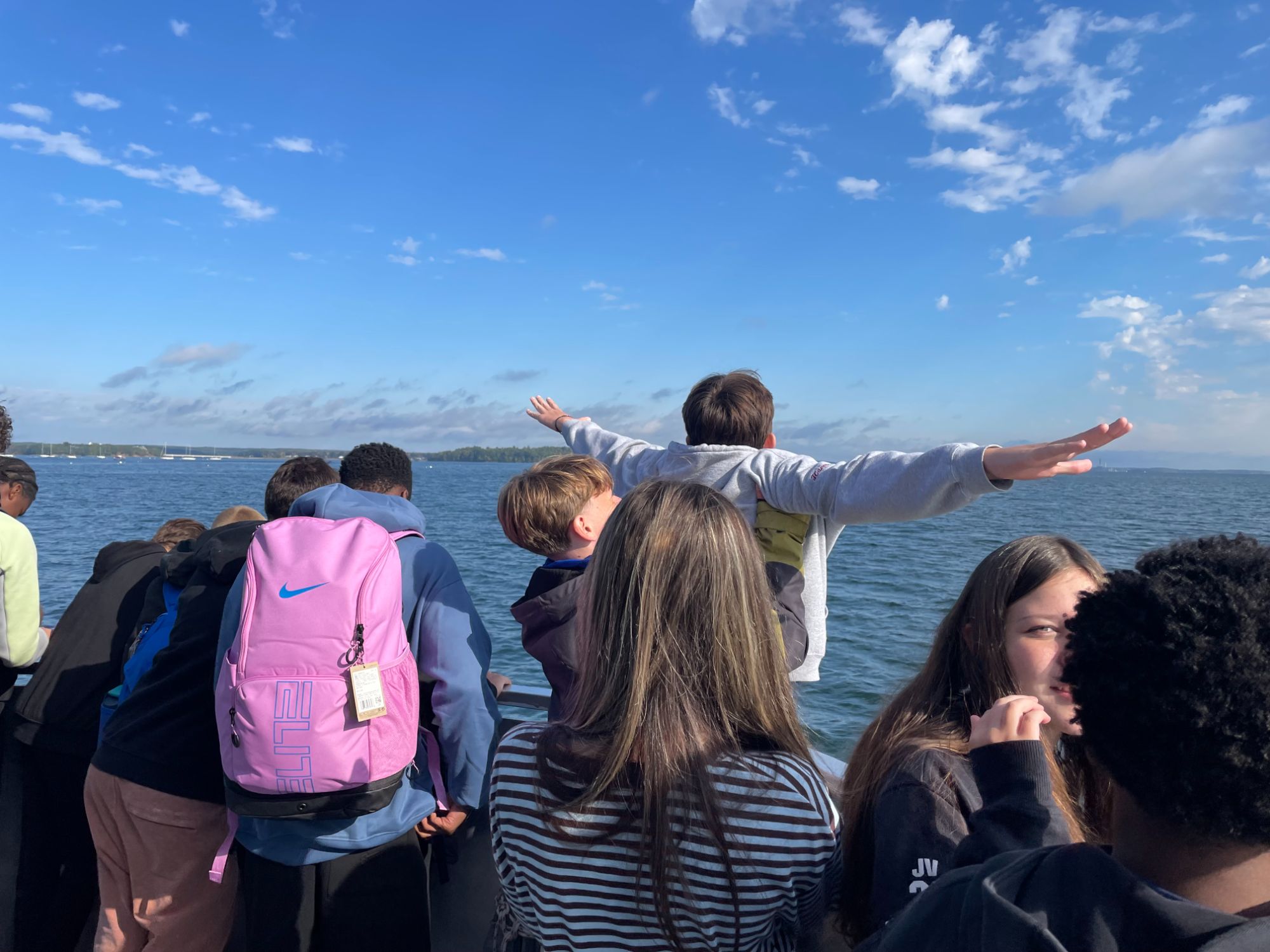
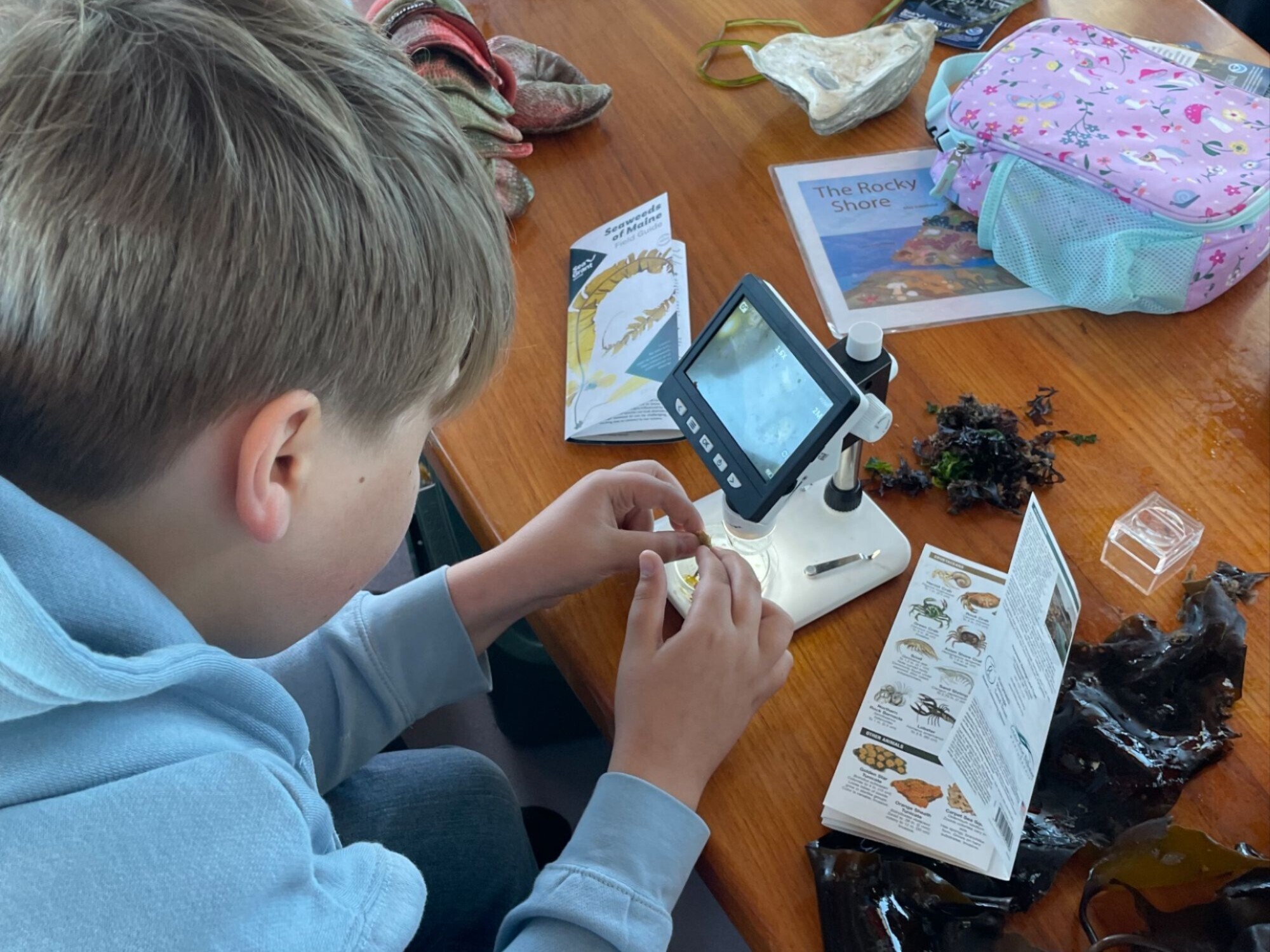
This fall, Maine Sea Grant continued to connect rural and inland communities to the ocean through in-school marine science lessons and field trips. Classroom activities are followed by educational boat trips where students explore Maine’s working waterfront and related career opportunities. Along the way, students interact with marine animals, explore coastal habitats, and learn how their local watersheds connect to coastal water quality.
Nearly 200 middle school students participated this fall, and we plan to reach 200 more this spring. Reach out to Keri Kaczor (keri.kaczor@maine.edu) if you’d like to learn more about the program or to find out if your school is eligible.
|
|
A Successful Summer for Sea-Run Fish Interns |
|
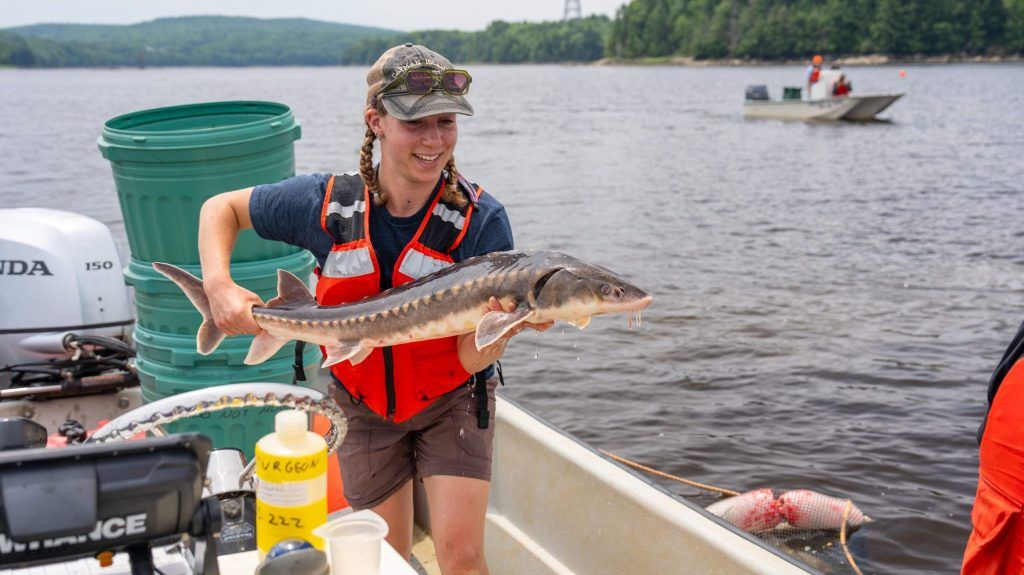
Since 2020, Maine Sea Grant has partnered with the NOAA Northeast Fisheries Science Center to support the Undergraduate Internship in Sea-Run Fish Research. The program gives students the opportunity to participate in fisheries research and conservation with mentorship from partners including the Maine Department of Marine Resources, NOAA Fisheries, and the Penobscot Nation.
This year, UMaine News got in on the fun with a story about Jordan Anderson, a University of Maine senior, and her time spent tagging Atlantic and shortnose sturgeon. Read the UMaine News story or watch this Instagram video to get a boatside look at her summer on the water. |
Sea-Run fish intern Jordan Anderson holds a sturgeon. These activities were conducted pursuant to NMFS ESA Permit No. 20347 Image Credit – Izzy Bouchard |
|
|
- UMaine Student Tracks Maine’s Prehistoric Sturgeon, UMaine News
|
|
| Coastal Conversations is supported by Maine Sea Grant in partnership with Schoodic Institute and The First Coast with help from student producers. |
|
|
| | Coastal Conversations Fourth Friday of the Month 4:00–4:30 PM Hosted by Marine Extension Program Leader Natalie Springuel, the show explores issues facing Maine’s communities through conversations with people who live, work, and play on our coast. Tune in to Coastal Conversations on WERU Community Radio (89.9 FM in Blue Hill and WERU.org).
|
|
|
|
|
 | The Maine Sea Farmer’s News Bulletin is created by Maine Sea Grant and supported by Bill Perna of Perna Content. |
|
|
| | Maine Sea Farmer’s News Bulletin New Episodes Monthly Hosted by Maine Sea Grant Aquaculture Lead Dana Morse, this podcast shares news, updates, and opportunities for Maine’s aquaculture community. If you’re involved in the local aquaculture world, listen to the latest episodes on your favorite podcast app. |
|
|
|
|
Maine Sea Grant supports the responsible use and conservation of coastal resources to sustain diverse, thriving coastal communities and ecosystems. Our work requires building partnerships and collaborations with organizations and individuals across the coast and beyond. If you have questions or ideas, or if you’d like to connect, reach out to anyone on our team. |
|
Maine Sea Grant 5741 Libby Hall, Orono, ME, 04469 |
|
Maine Sea Grant is a federal-state partnership program based at the University of Maine and one of 34 NOAA Sea Grant programs throughout the coastal and Great Lakes states. We receive funding from the National Oceanic and Atmospheric Administration, which is matched by the state of Maine and other non-federal sources. Since 1971, we have promoted science and education for the sustainable development, management, and stewardship of Maine’s marine and coastal resources. We continue this mission today by supporting marine and coastal research, education, and outreach via a marine extension team with individuals located in coastal communities from Wells to Eastport.
The University of Maine System is an equal opportunity institution committed to nondiscrimination.
Maine Sea Grant’s work across Maine, from the Piscataqua River to Passamaquoddy Bay, is carried out on the lands and waters of the Penobscot, Passamaquoddy, Maliseet, and Mi’kmaq. We thank them for their stewardship and continued strength and resilience in protecting it. We support efforts for healing and protecting the land and water we share. |
|
|
|
|
|